Changsha
探索长沙
长沙,别称星城,中国湖南省下辖地级市,湖南省省会。长沙是湖南省政治、经济、文化、科教、贸易中心,是“一带一路”重要节点城市和长江经济带中心城市。2023年,长沙连续第16年获评“中国最具幸福感城市”。2024年,长沙上榜《2024新一线城市魅力排行榜》。此外,长沙市还拥有中国(大陆)国际形象最佳城市、东亚文化之都、世界“媒体艺术之都”等美誉。
Ladies and Gentlemen,
Welcome to Changsha, the capital of Hunan Province. Changsha, a vibrant city nestled in the heart of Hunan province, China, offers a unique blend of history, modernity, and culinary delights. Beyond its bustling streets and towering skyscrapers, Changsha holds a rich tapestry of cultural experiences, beckoning visitors to explore its fascinating past and vibrant present.
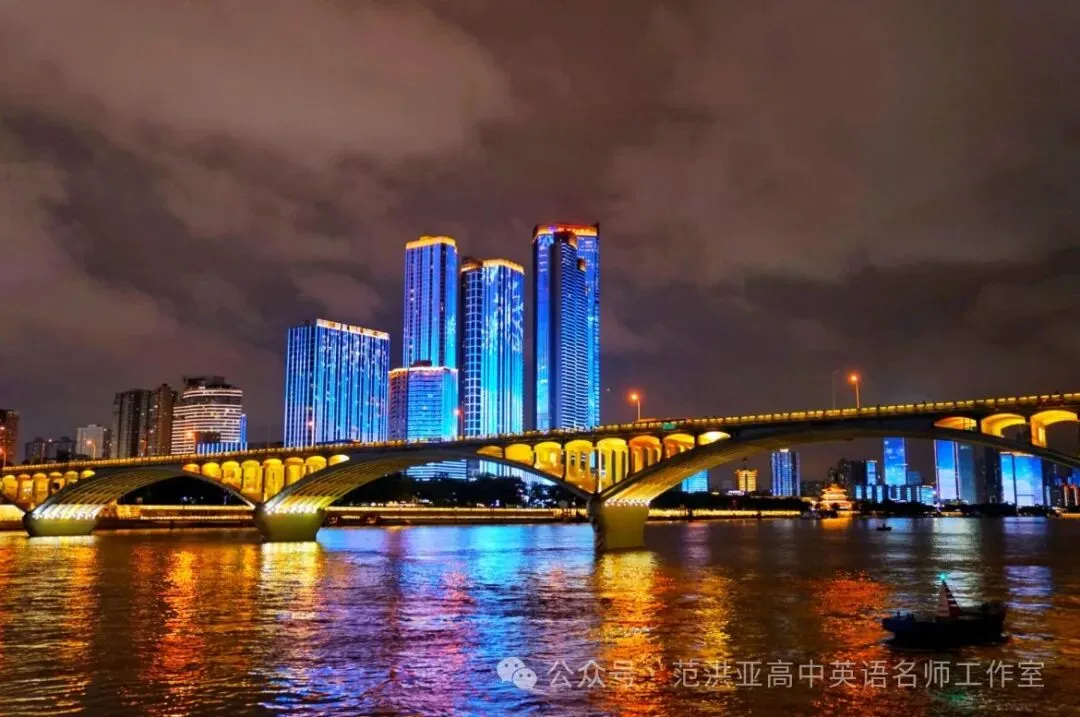
From its ancient roots as a strategic military outpost, Changsha has evolved into a dynamic economic hub. The city's history is etched into its architecture, with remnants of ancient walls and temples intertwining with contemporary developments. The bustling Xiang River winds its way through the city center, a constant reminder of its vital role in trade and transportation throughout the ages. Exploring the local markets, like the vibrant Dongmen Market, offers a glimpse into the everyday lives of the people, with colorful displays of fresh produce, local delicacies, and traditional handicrafts.
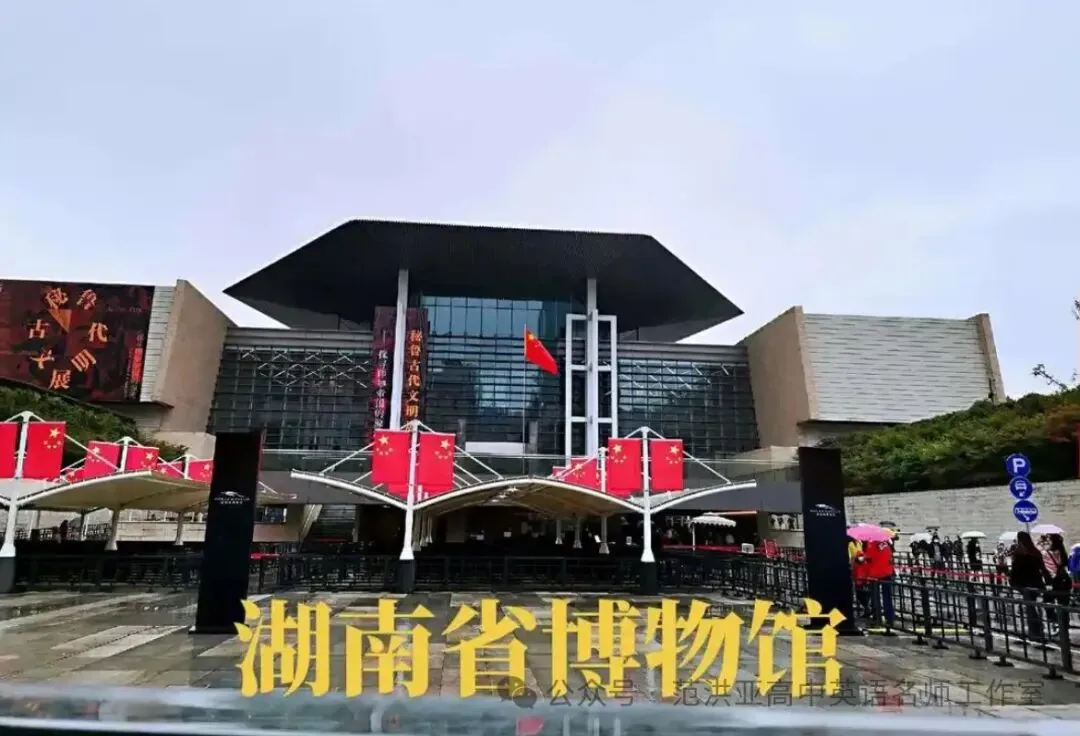
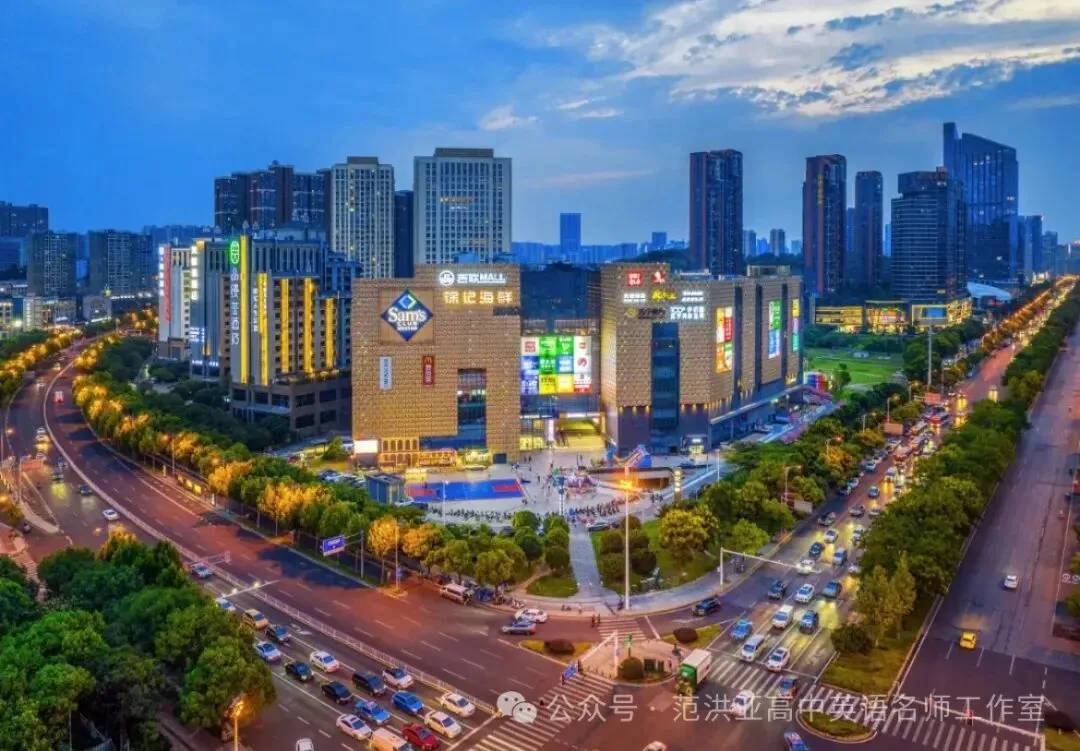
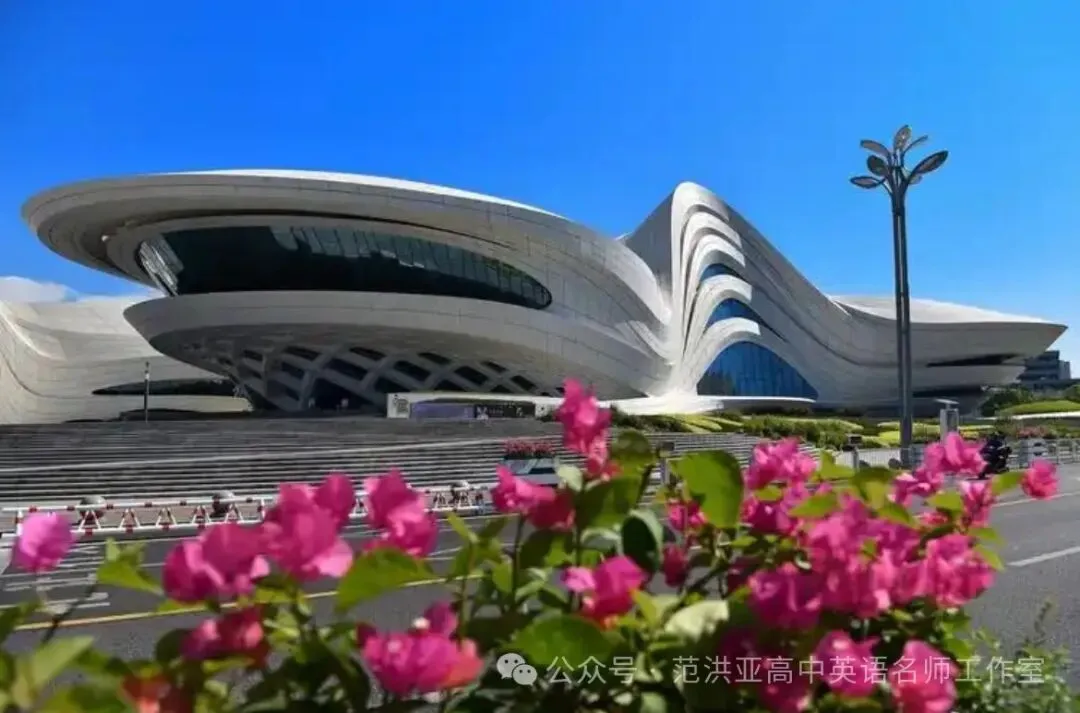
Changsha is not just about its historical significance; it also prides itself on its forward-looking spirit. The city's modern infrastructure boasts impressive high-rise buildings, cutting-edge technology, and a thriving business sector. The Hunan Provincial Museum provides a rich understanding of the region's history and cultural heritage. Additionally, the city’s vibrant nightlife and diverse food scene cater to a wide range of tastes, making it a popular destination for both tourists and local residents.
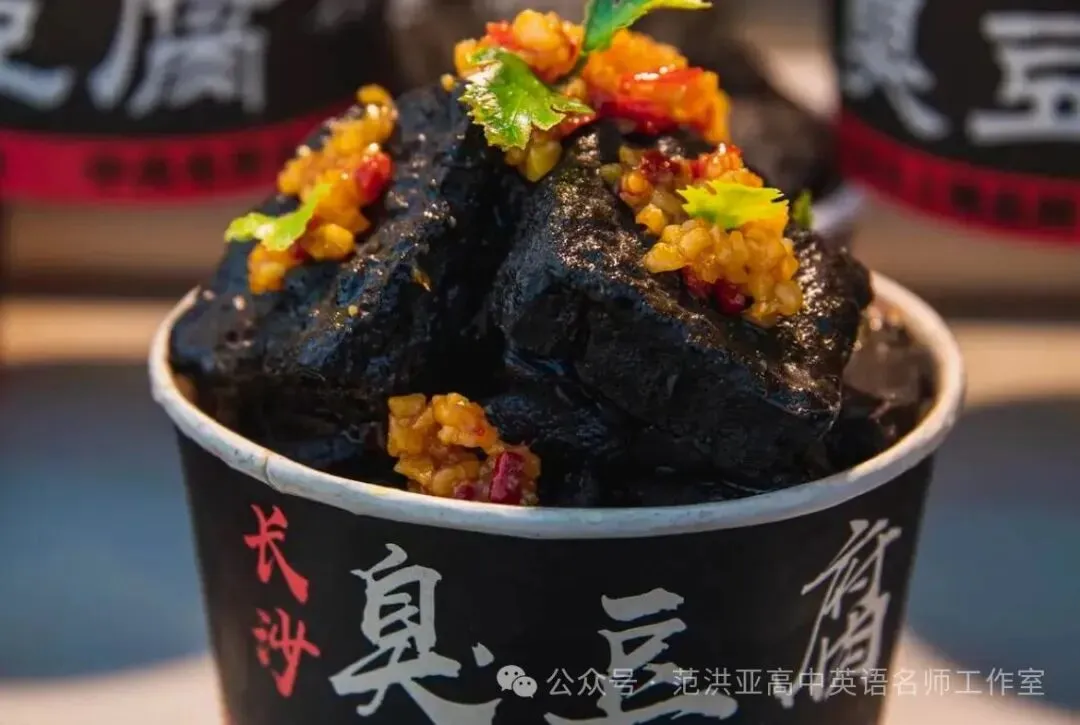
Changsha's culinary scene is legendary, renowned for its spicy and flavorful cuisine. From the famous Hunan hot pot to the savory double-boiled soup, the city offers a tantalizing array of dishes that will satisfy even the most discerning palate. However, perhaps Changsha is best known for its food. Hunan cuisine, renowned for its bold flavors and liberal use of chili peppers, is a culinary adventure for the brave. Stinky tofu, a local delicacy, is a pungent yet surprisingly addictive snack. Mao's Braised Pork, a dish said to be a favorite of Chairman Mao Zedong, is a must-try for any visitor. From street food stalls to upscale restaurants, Changsha offers a diverse range of culinary experiences that will tantalize your taste buds. The cultural fusion reflected in the city's cuisine is another testament to its diverse history and influence.
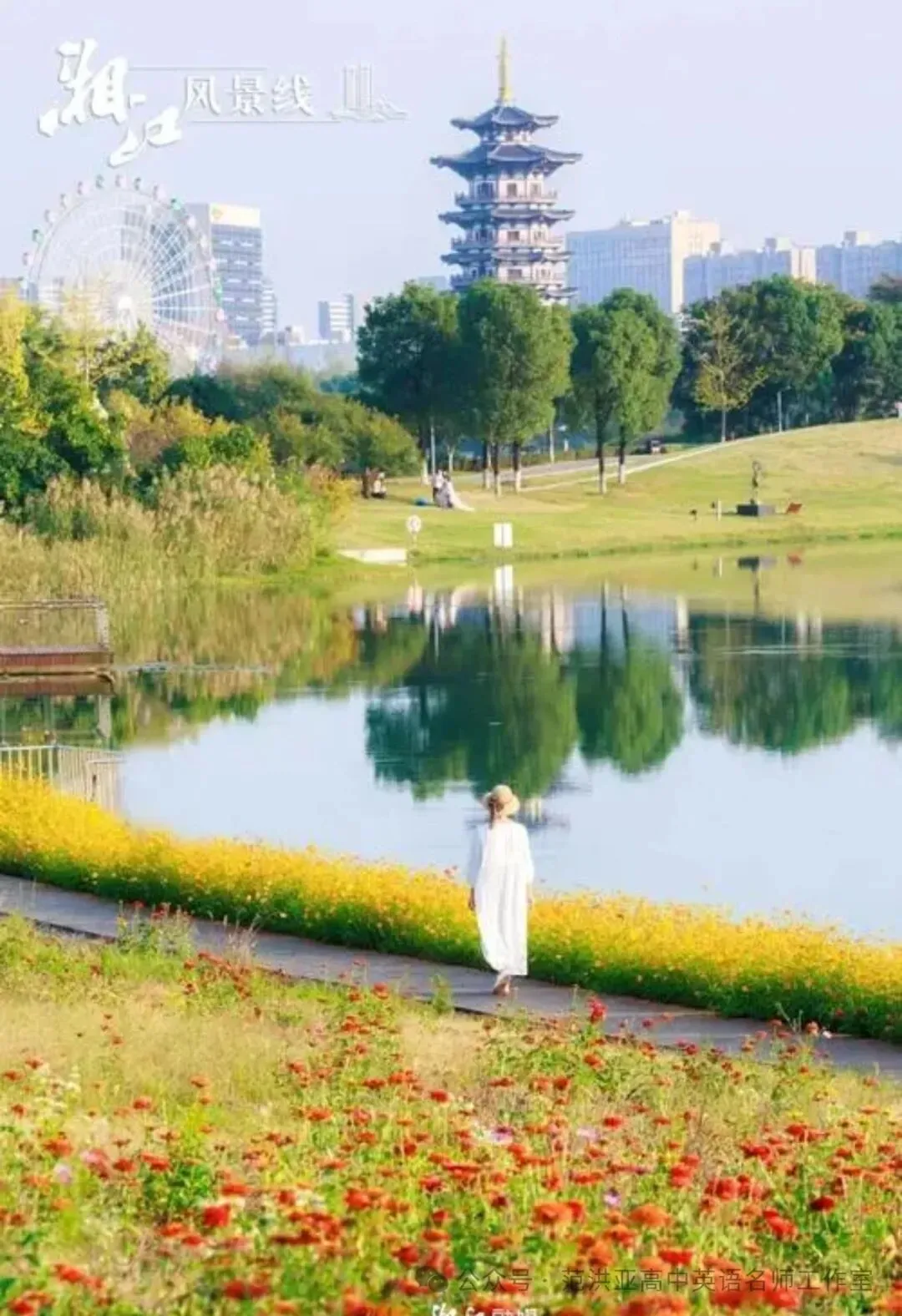
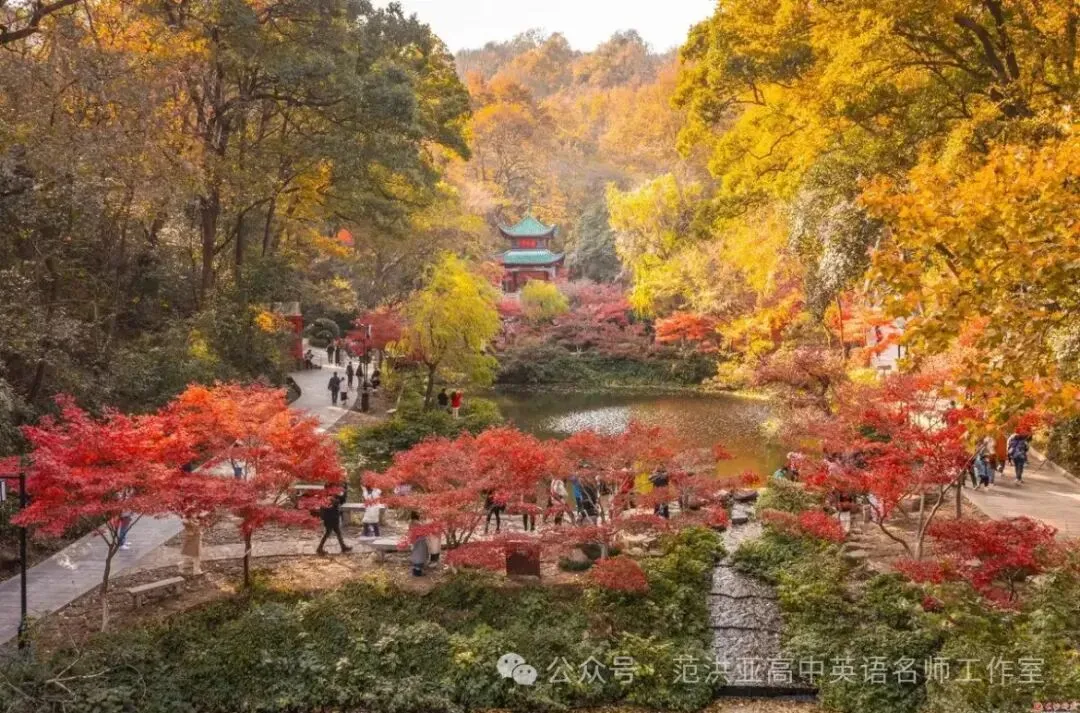
Beyond the city center, Changsha offers a variety of outdoor activities. The nearby mountains provide opportunities for hiking and breathtaking views, while the serene parks offer a respite from the city's bustling energy. The city's dedication to preserving its natural beauty is evident in its efforts to maintain green spaces and encourage sustainable practices.
Geographically, Changsha is situated in the lower reaches of the Xiangjiang River and on the western edge of the Chang-Liu Basin. The city boasts a complex terrain with low-lying alluvial plains along the Xiangjiang River, and higher low mountains and hills to the east, west, and southeast. Changsha's climate is subtropical monsoon, providing a pleasant environment for living and agriculture.
Economically, Changsha is a powerhouse in Hunan Province, with key industries including engineering machinery, automotive and parts, biomedicine, electronic information, cultural creativity, tourism, and food manufacturing. Home to well-known enterprises such as Zoomlion and Sany Heavy Industry, Changsha's GDP reached 14331.98 billion yuan in 2023, with a growth rate of 4.8%.
Culturally, Changsha is a treasure trove of traditional arts and customs. From the local dialect, which is characterized by its rapid speech and distinctive intonation, to the traditional opera and folk arts, Changsha's culture is a blend of ancient and modern. The city is also known for its culinary delights, with dishes like spicy crayfish and sugar oil bababas being local favorites.
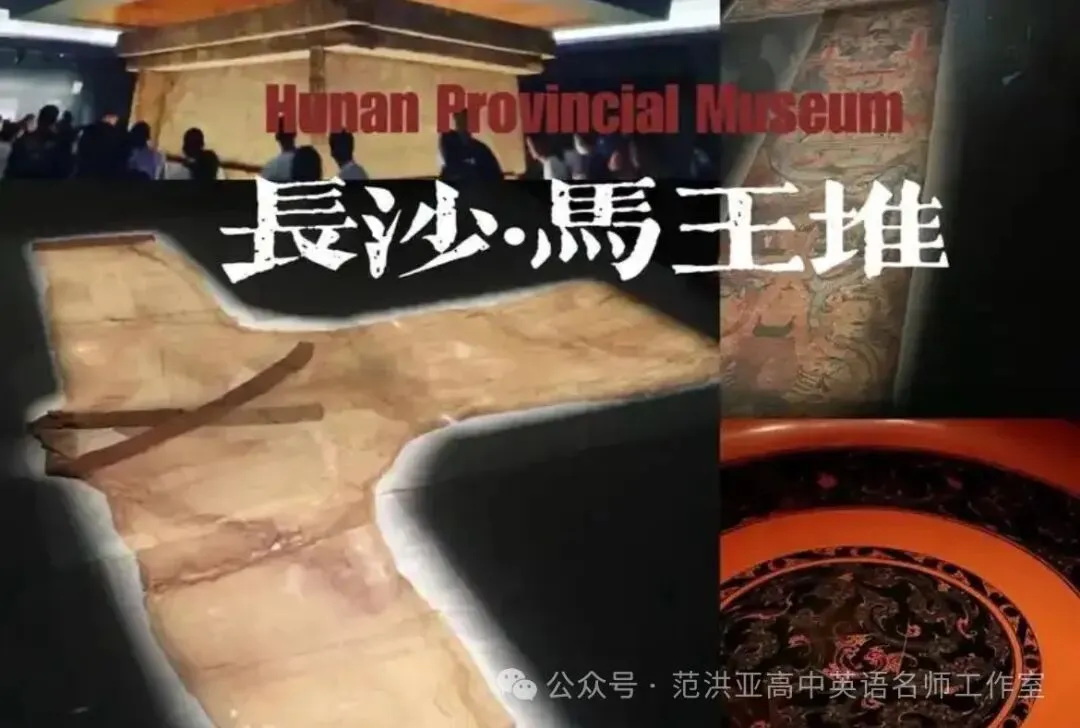
Historically, Changsha has been a city of great significance. It was a crucial military defense base during the Chu-Yue confrontation in the Warring States period. The city's history is evident in the numerous cultural relics and historical sites, such as the Mawangdui Han Tombs and the Zoumaalou Bamboo Slips, which reflect its deep cultural roots. The Mawangdui Han Tombs, a remarkable archaeological discovery, offer a glimpse into the lives of the Han Dynasty elite. The Yuelu Academy, one of the four most prestigious academies in ancient China, continues to stand as a testament to the city's enduring commitment to education and scholarship.
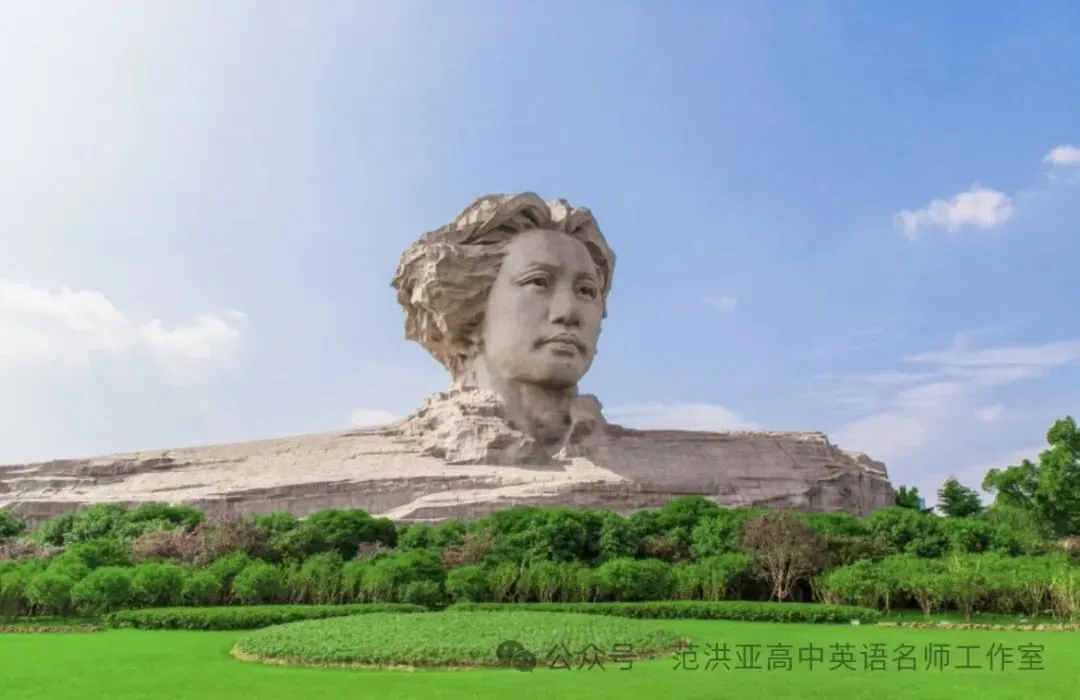
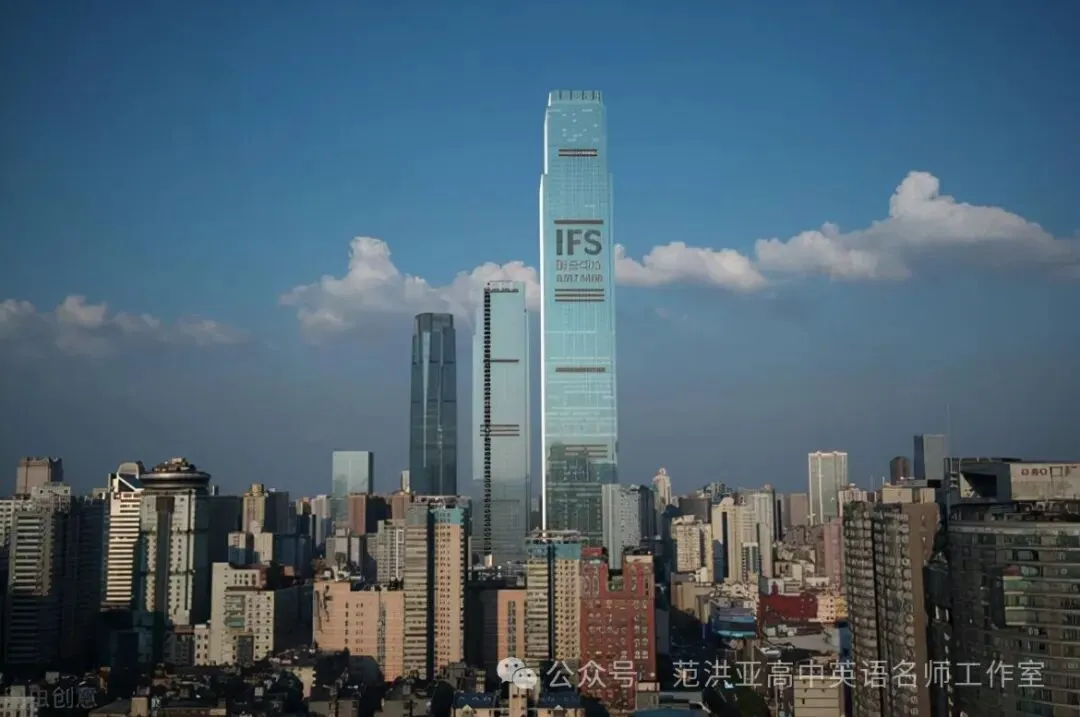
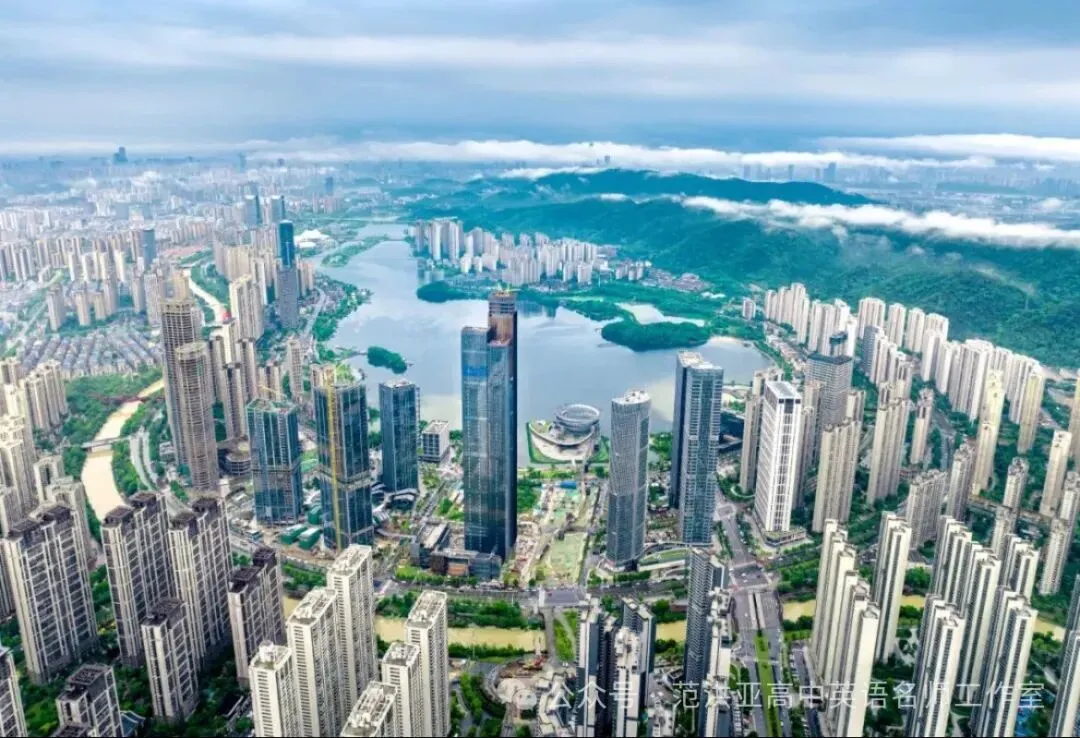
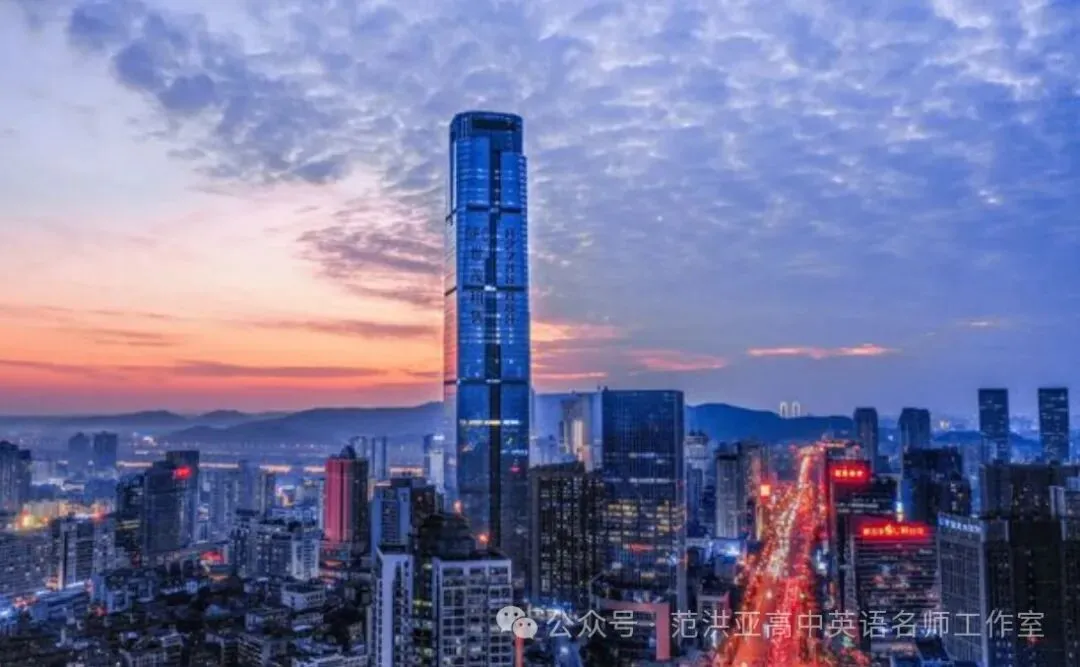
But Changsha is not just a city of the past; it's a thriving modern metropolis. The city's skyline is punctuated by gleaming skyscrapers, and its streets are alive with the energy of its 10 million residents. Changsha is a major entertainment hub, known for its vibrant nightlife, trendy shopping districts, and its role as the birthplace of numerous popular television programs. The city is also home to Orange Island, a scenic island park in the Xiang River, offering a tranquil escape from the urban hustle and bustle.
Today, Changsha is a modern city that embraces its history while looking towards the future. It is a city of innovation, with a strong focus on technological advancement and sustainable development. Changsha's commitment to preserving its cultural heritage while fostering economic growth makes it a city that stands at the crossroads of tradition and modernity.
In conclusion, Changsha is a city that seamlessly blends the ancient with the modern, the traditional with the innovative. It's a city that captivates with its rich history, dynamic energy, and unforgettable culinary experiences. It's a city that leaves a lasting impression on all who visit.

 10个月宝宝每天需要喝多少奶粉?

